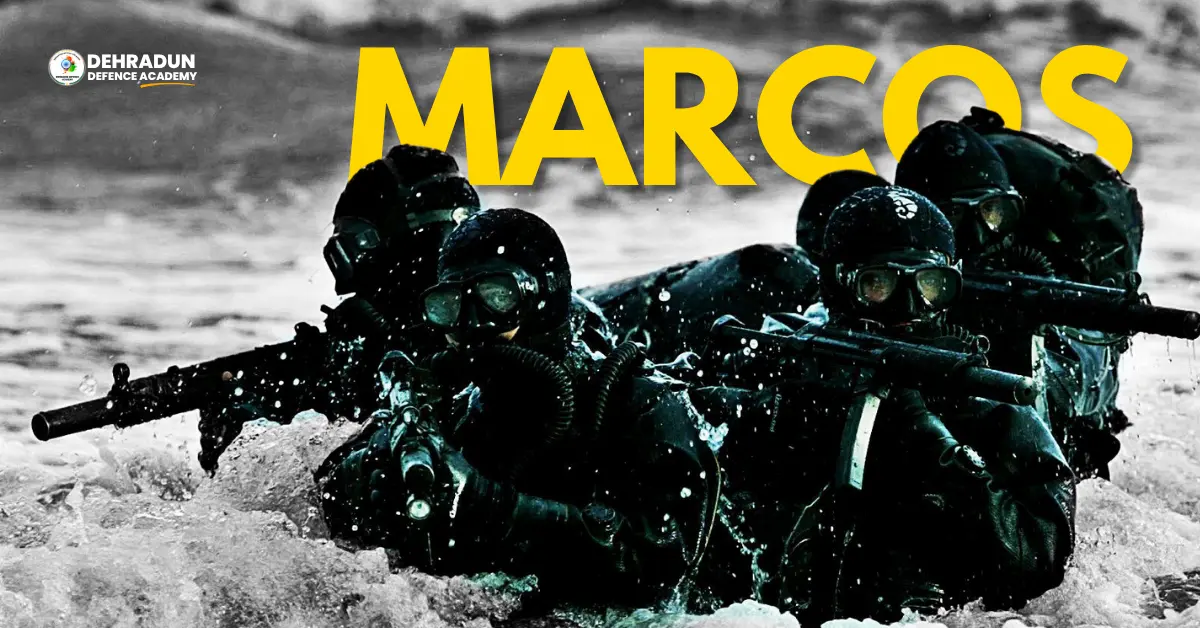
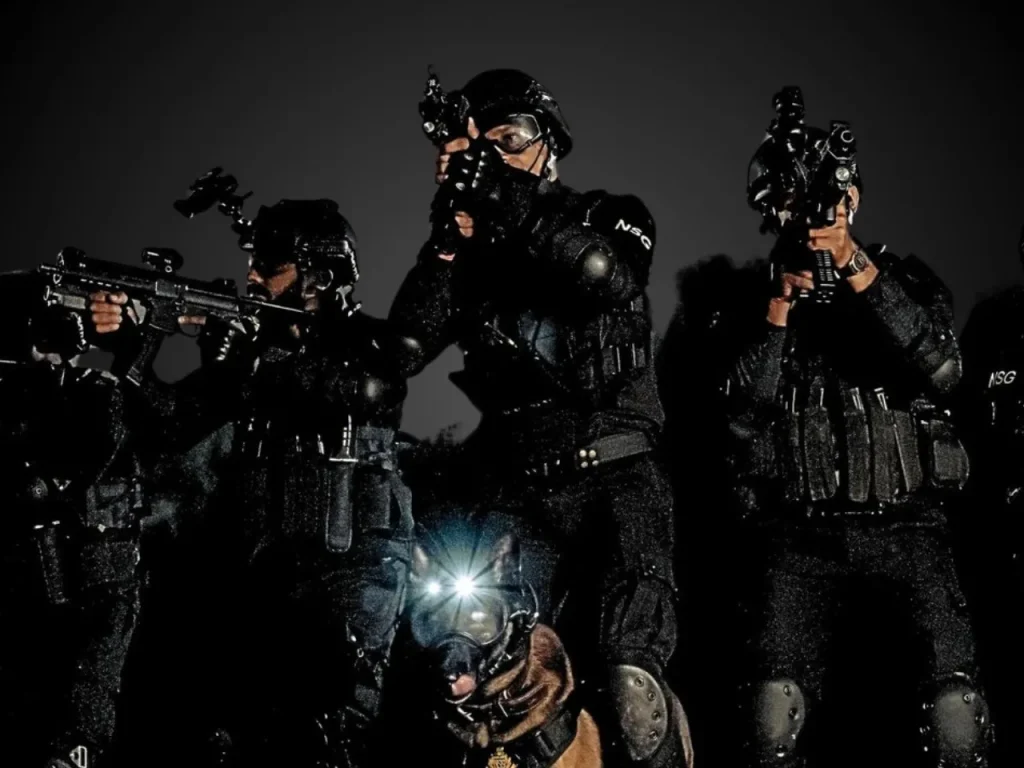
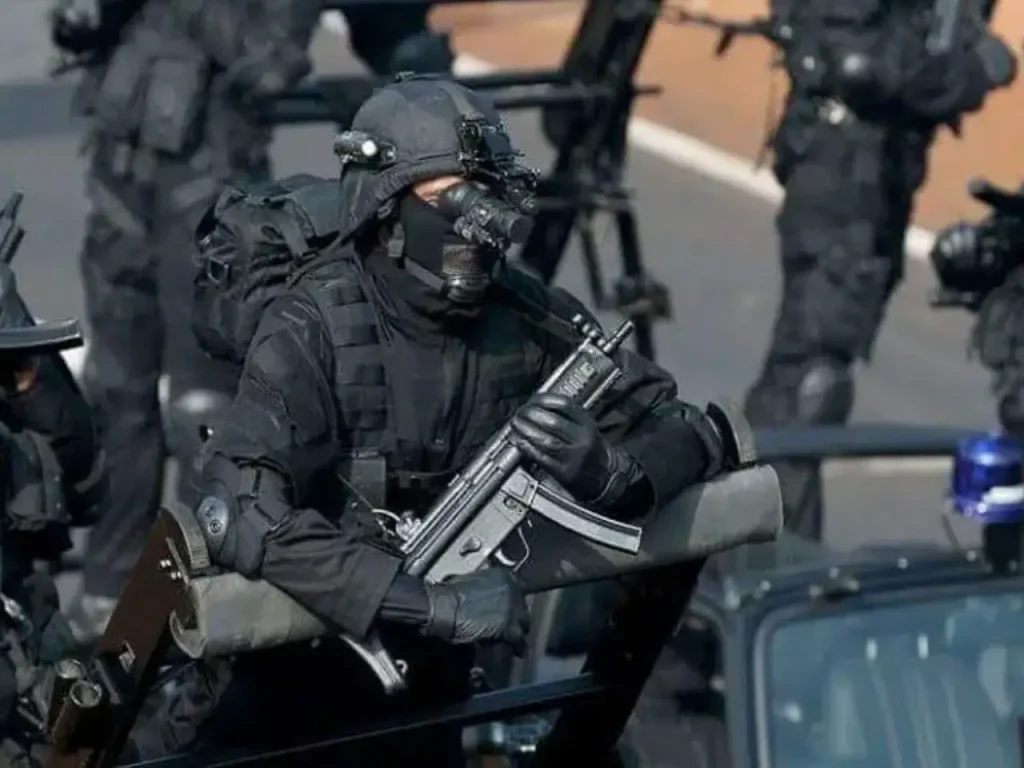
The National Security Guard (NSG) is India’s elite counter-terrorism force. Its commandos are popularly known as the “Black Cats.” They handle the most dangerous missions in the country, such as hostage rescue and anti-terror operations. Because the job is so demanding, many young aspirants want to know one thing clearly: what is the salary of an NSG commando?
In short, the total monthly salary of an NSG commando commonly ranges from about ₹80,000 to over ₹3,00,000, depending on rank, seniority and parent force. There is no single fixed figure, and the reason for this is explained below.
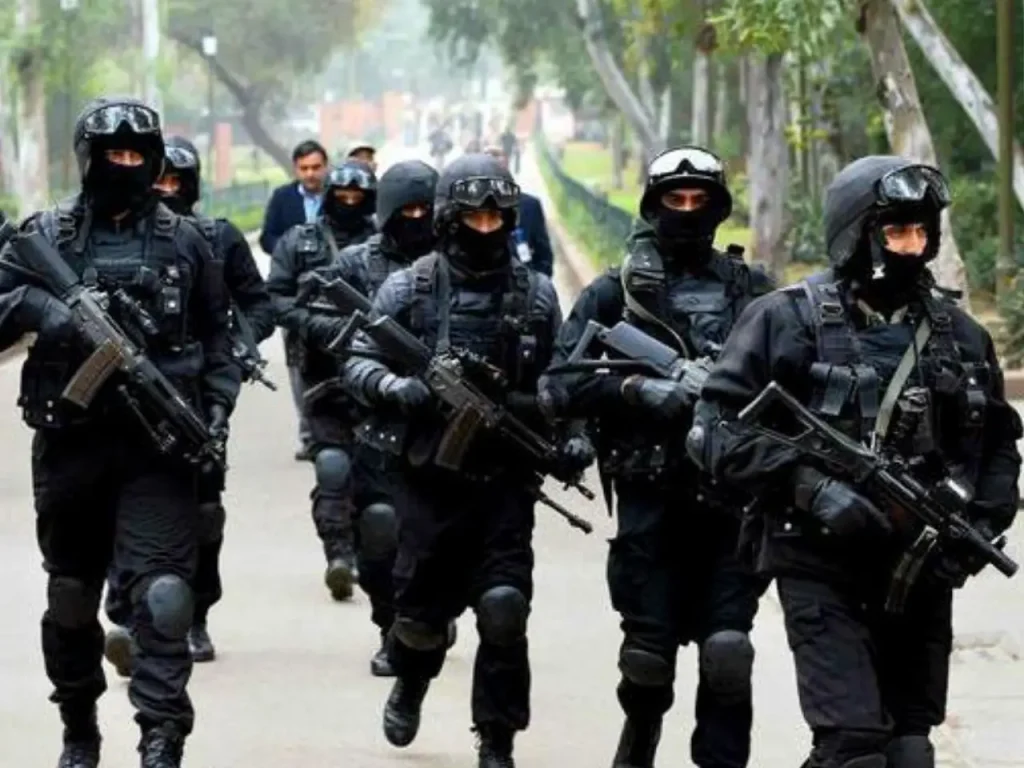
This article explains the NSG commando salary in simple terms. It covers how the pay actually works, the rank-wise basic pay, the allowances, the perks, and the eligibility. The figures here are based on the 7th Pay Commission and are approximate.
The Most Important Point: How NSG Pay Actually Works
Before looking at any numbers, one fact must be understood. The NSG does not recruit anyone directly. It has no separate pay scale of its own.
The NSG is a deputation-based force. This means its commandos are not freshly hired. They are experienced personnel who are selected from the Indian Army and from the Central Armed Police Forces (CAPFs) such as the CRPF, BSF, CISF and ITBP. They serve in the NSG for a fixed tenure and then return to their parent force.
Because of this, an NSG commando’s salary is made up of two parts:
- The pay of his rank in his parent force (Army or CAPF), as per the 7th Pay Commission.
- Extra allowances given for serving in the NSG, such as deputation and risk allowances.
So there is no single “NSG salary.” The pay depends on the commando’s parent force, his rank, his years of service, and his posting. This is the key idea to remember.
The Two Groups of the NSG
The NSG is divided into two main operational groups. Knowing this helps explain the pay difference between commandos.
| Group | Drawn From | Main Role |
| Special Action Group (SAG) | Indian Army | Counter-terrorism and strike operations |
| Special Ranger Group (SRG) | Central Armed Police Forces and police | VIP security and support operations |
The SAG is the main fighting arm and is made up of Army personnel. The SRG is made up of CAPF and police personnel and handles security and support duties.
Rank-Wise Basic Pay (7th Pay Commission)
The table below shows the approximate monthly basic pay for the main officer ranks linked to NSG service. These figures come from the 7th Pay Commission pay matrix. They show only the basic pay. The actual in-hand salary is much higher once allowances are added.
| Rank (Officer Level) | Approximate Monthly Basic Pay |
| Assistant Commandant (entry-level officer) | ₹56,100 – ₹1,77,500 |
| Commandant | ₹1,23,100 – ₹2,15,900 |
| Deputy Inspector General (DIG) | ₹1,31,100 – ₹2,16,600 |
| Inspector General (IG) | ₹1,44,200 – ₹2,18,200 |
| Major General level | ₹2,05,400 – ₹2,24,400 |
Personnel who join at lower ranks, such as constable or jawan level, draw the basic pay of their parent-force rank. This typically begins at around ₹21,700 per month and rises with promotion. On top of this basic pay, all commandos receive several allowances, which are explained next.
How NSG Salary Is Calculated
According to the NSG’s own deputation rules, personnel posted to the NSG continue to draw the basic pay of their rank in the parent organisation, and in addition they get DA and a special allowance. A simple way to understand the salary is:
NSG Salary = Basic Pay + Dearness Allowance + Special Security Allowance + Other Admissible Allowances − Deductions
The two most important parts of this formula are explained below.
Special Security Allowance (40% of Basic Pay)
This is the key NSG-specific allowance. As per the official NSG deputation terms, personnel on deputation with the NSG are entitled to a Special Security Allowance at 40% of basic pay. This is often informally called the “NSG allowance.”
For example, if the basic pay is ₹35,400, the Special Security Allowance will be ₹35,400 × 40% = ₹14,160 per month.
Dearness Allowance (60% as of January 2026)
Dearness Allowance (DA) is paid to all central government employees to balance the effect of inflation. It is a percentage of basic pay and is revised twice a year. As per the central government rate effective from 1 January 2026, DA is 60% of basic pay.
For example, on a basic pay of ₹35,400, the DA will be ₹35,400 × 60% = ₹21,240 per month.
Other Allowances and Perks
Apart from DA and the Special Security Allowance, an NSG commando receives several other allowances and perks. The exact amounts vary by rank, posting city and current government rates. The main ones are listed below.
- House Rent Allowance (HRA): Given when government accommodation is not provided. It varies by city, usually in the range of 9% to 27% of basic pay.
- Transport Allowance: To cover travel and movement during duty.
- Uniform Allowance: For the special NSG black uniform, boots and gear.
- Medical Benefits: Free medical treatment for the commando and family at military and government hospitals.
- Risk and Hardship Allowance: Paid for the dangerous nature of certain duties and postings.
- Other Benefits: Leave Travel Concession (LTC), ration, pension, gratuity and provident fund after retirement.
Because of these allowances, the total in-hand pay of an NSG commando is much higher than the basic pay alone. Reported total monthly pay commonly ranges from around ₹80,000 to over ₹3,00,000, depending on rank and service.
Estimated Salary by Rank (With DA and Special Security Allowance)
The table below shows an estimated salary build-up for CAPF-side ranks. It uses the starting basic pay of each pay level, DA at 60%, and the Special Security Allowance at 40% of basic pay. This is not the final in-hand salary. It does not include HRA, transport allowance, income tax, NPS, mess charges or other deductions.
| Rank / Equivalent | Pay Level | Starting Basic Pay | DA at 60% | Special Security Allowance at 40% | Approx. Gross (before HRA, TA, deductions) |
| Constable / GD equivalent | Level 3 | ₹21,700 | ₹13,020 | ₹8,680 | ₹43,400 |
| Head Constable equivalent | Level 4 | ₹25,500 | ₹15,300 | ₹10,200 | ₹51,000 |
| Assistant Sub-Inspector equivalent | Level 5 | ₹29,200 | ₹17,520 | ₹11,680 | ₹58,400 |
| Sub-Inspector equivalent | Level 6 | ₹35,400 | ₹21,240 | ₹14,160 | ₹70,800 |
| Inspector equivalent | Level 7 | ₹44,900 | ₹26,940 | ₹17,960 | ₹89,800 |
| Assistant Commandant equivalent | Level 10 | ₹56,100 | ₹33,660 | ₹22,440 | ₹1,12,200 |
| Deputy Commandant equivalent | Level 11 | ₹67,700 | ₹40,620 | ₹27,080 | ₹1,35,400 |
These are starting figures for each level. The actual amount rises with annual increments and promotions, because DA and the Special Security Allowance both increase as basic pay increases.
Salary for Army Personnel vs CAPF Personnel
Because the NSG draws people from two different streams, the salary of an Army commando and a CAPF commando is not the same, even within the NSG.
Army personnel deputed to the NSG (mainly in the Special Action Group) are paid as per their Army rank under the defence pay matrix, along with admissible military allowances. CAPF and police personnel (mainly in the Special Ranger Group) are paid as per their CAPF rank and pay level. Both groups receive the Special Security Allowance during their NSG tenure, but their total pay differs because their parent-force pay rules and allowances are different.
Basic Pay vs Total In-Hand Salary
Many aspirants confuse basic pay with the final salary. The table below makes the difference clear.
| Point | Basic Pay | Total In-Hand Salary |
| What it is | The base figure as per the pay matrix | Basic pay plus all allowances |
| Includes allowances? | No | Yes (DA, HRA, risk, special, etc.) |
| Size | Smaller | Much larger |
| Example range | ₹56,100 and above | ₹80,000 to ₹3,00,000 and above |
In short, the basic pay is only the starting figure. The allowances, especially DA and the risk and special allowances, push the real salary much higher.
Eligibility to Join the NSG
Since pay depends on the parent force, it helps to know who can join. The NSG selects already-serving personnel. The general requirements are:
- The candidate must be an Indian citizen.
- The candidate must already be serving in the Indian Army or in a Central Armed Police Force.
- A minimum period of service is required (generally about three years in the Army or about five years in the police or CAPF).
- The candidate must be within the prescribed age limit (generally under 35 years).
- The candidate must pass very tough physical and psychological tests.
- The selected personnel undergo hard training at the NSG Training Centre at Manesar, Haryana.
Only a small number of candidates clear the training. This is why NSG commandos are considered among the finest in the country.
Career Growth
Career growth in the NSG is linked to the parent force. Since commandos keep the rank of their parent organisation, their promotions also follow the rules of the Army or the CAPF. As a commando rises in rank, both the basic pay and the allowances increase. Discussions around the upcoming 8th Pay Commission are also expected to revise pay upward in the future, though this has not yet been implemented.
The salary of an NSG commando reflects the high risk and elite nature of the job. The key point to remember is simple. There is no separate NSG salary. A commando earns the pay of his parent-force rank, plus special allowances for serving in this elite force. This makes the total package one of the most respected in the Indian security setup. But beyond the money, the role is about courage, discipline and service to the nation. For a true aspirant, that sense of pride is the biggest reward of all.
Frequently Asked Questions (FAQs)
Q1. What is the salary of an NSG commando?
There is no single fixed NSG salary. A commando earns the pay of his rank in his parent force (Army or CAPF) plus NSG allowances. The total in-hand pay commonly ranges from about ₹80,000 to over ₹3,00,000 per month, depending on rank and service.
Q2. Does the NSG have its own pay scale?
No. The NSG has no separate pay scale. It is a deputation-based force, so commandos keep the pay of their parent organisation and receive extra allowances.
Q3. Can I join the NSG directly after school or college?
No. The NSG does not recruit directly. You must first join the Indian Army or a Central Armed Police Force, gain a few years of service, and then be selected for the NSG.
Q4. What is the NSG allowance and how much is it?
The main NSG-specific allowance is the Special Security Allowance, fixed at 40% of basic pay. Commandos also receive Dearness Allowance, House Rent Allowance, Transport Allowance, Uniform Allowance, medical benefits and risk-related allowances as applicable.
Q5. What is the basic pay of an entry-level NSG officer?
The basic pay of an entry-level officer (Assistant Commandant level) starts at about ₹56,100 per month under the 7th Pay Commission, before allowances.
Q5a. What would a Sub-Inspector level commando earn?
For a Sub-Inspector level commando with a starting basic pay of ₹35,400, the DA at 60% is ₹21,240 and the Special Security Allowance at 40% is ₹14,160. This gives an approximate gross of about ₹70,800 per month, before HRA, transport allowance and deductions.
Q6. What are the SAG and SRG in the NSG?
The Special Action Group (SAG) is made up of Army personnel and handles counter-terrorism strikes. The Special Ranger Group (SRG) is made up of CAPF and police personnel and handles VIP security and support roles.
Q7. Where is the NSG training centre located?
The main NSG Training Centre is located at Manesar, in Haryana.
Q8. Why are NSG commandos called Black Cats?
They are called Black Cats because of their distinctive black uniform and black masks worn during operations.
Q9. Which ministry controls the NSG?
The NSG works under the Union Ministry of Home Affairs.
Q10. Is the NSG salary higher than a normal soldier’s salary?
Yes, generally. Because commandos receive extra risk, special and deputation allowances on top of their normal pay, their total in-hand salary is usually higher than that of a regular soldier of the same rank.
(Disclaimer: Salary figures are approximate, based on the 7th Pay Commission, and may change with government revisions. This article is for educational and awareness purposes for defence aspirants.)