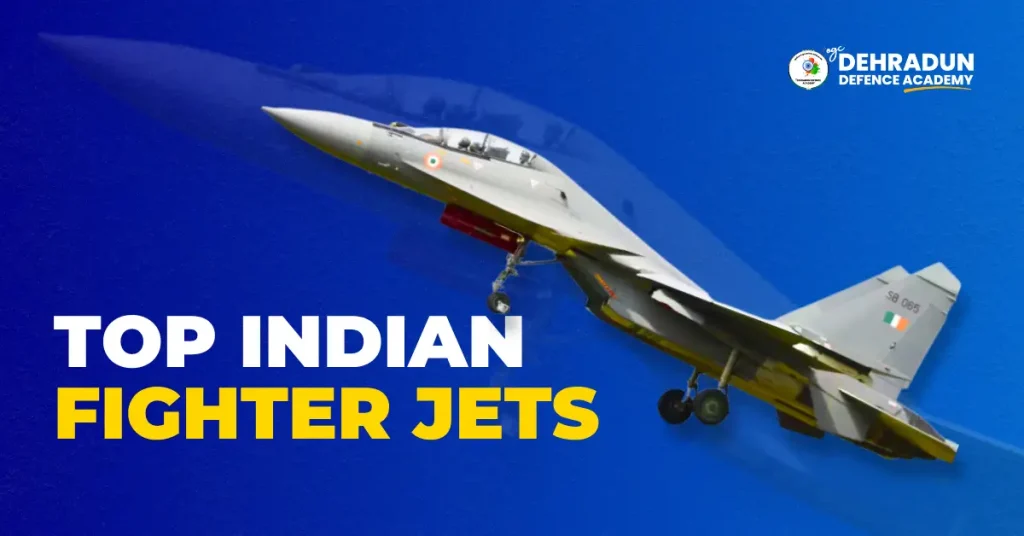
Fighter aircraft are an important part of India’s air power.
The Indian Air Force (IAF) is one of the largest air forces in the world. Its fighter fleet is unusual because it uses aircraft from many countries. India flies Russian, French, British and Indian-made fighter jets at the same time. This mix is the result of a long-term policy. India has tried to keep many supply lines open, build its own aircraft through licence production, and develop fully indigenous fighters.
Here we explains the main fighter jets of India in simple terms. We have divided into three broad phases. The first phase included British and French aircraft after independence. The second phase was dominated by Soviet-origin aircraft such as the MiG series and the Sukhoi Su-30MKI. The third phase is marked by a mix of advanced imported aircraft and indigenous platforms.
The data here is current as of 2026 and is useful for defence aspirants, NDA, CDS, AFCAT, other defence exam candidates, and general readers.
Indian Fighter Jets in Service (2026)
The following fighter jets are in active service with the Indian Air Force and the Indian Navy.
| Aircraft | Origin | Type | In Service Since |
| Sukhoi Su-30MKI | Russia / India | Heavy multirole fighter | 2002 |
| Dassault Rafale | France | 4.5-generation multirole fighter | 2020 |
| Dassault Mirage 2000 | France | Multirole fighter | 1985 |
| MiG-29UPG | USSR / Russia | Air-superiority / multirole fighter | 1987, upgraded later |
| MiG-29K / KUB (Navy) | Russia | Carrier-borne naval fighter | 2010 |
| SEPECAT Jaguar | UK / France | Deep-strike aircraft | 1979 |
| HAL Tejas Mk1 | India | Light multirole fighter | 2016 |
| HAL Tejas Mk1A | India | Improved light multirole fighter | On order / deliveries delayed |
Sukhoi Su-30MKI
The Su-30MKI is the backbone of the Indian Air Force. It is a heavy, twin-engine, two-seat multirole fighter. It is built in India by Hindustan Aeronautics Limited (HAL) under a licence from Russia. It is the largest single fighter type in the IAF. The aircraft is used for air superiority, deep strike, and maritime strike. It combines a Russian airframe and engine with French, Israeli and Indian systems.
Dassault Rafale
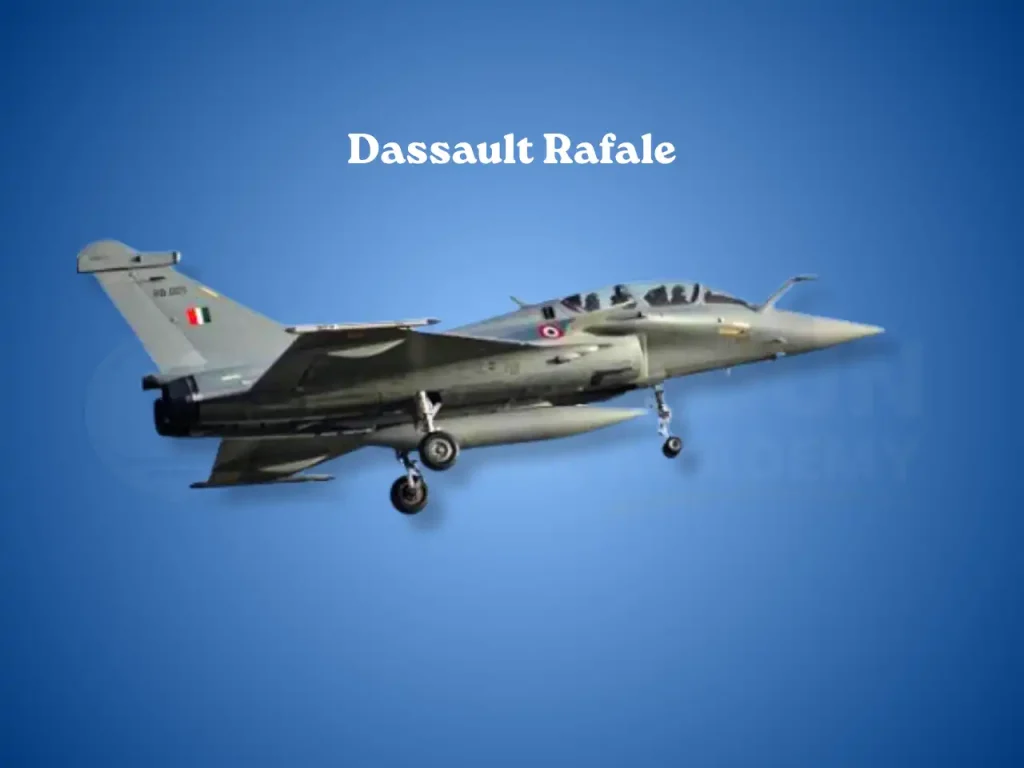
The Rafale is a 4.5-generation multirole fighter from France. It is the newest Western fighter in the IAF. India signed a deal for 36 Rafale jets in 2016, and the first aircraft arrived in 2020. These jets are based at Ambala and Hasimara. The Rafale played a key role in strengthening India’s strike power.
Dassault Mirage 2000
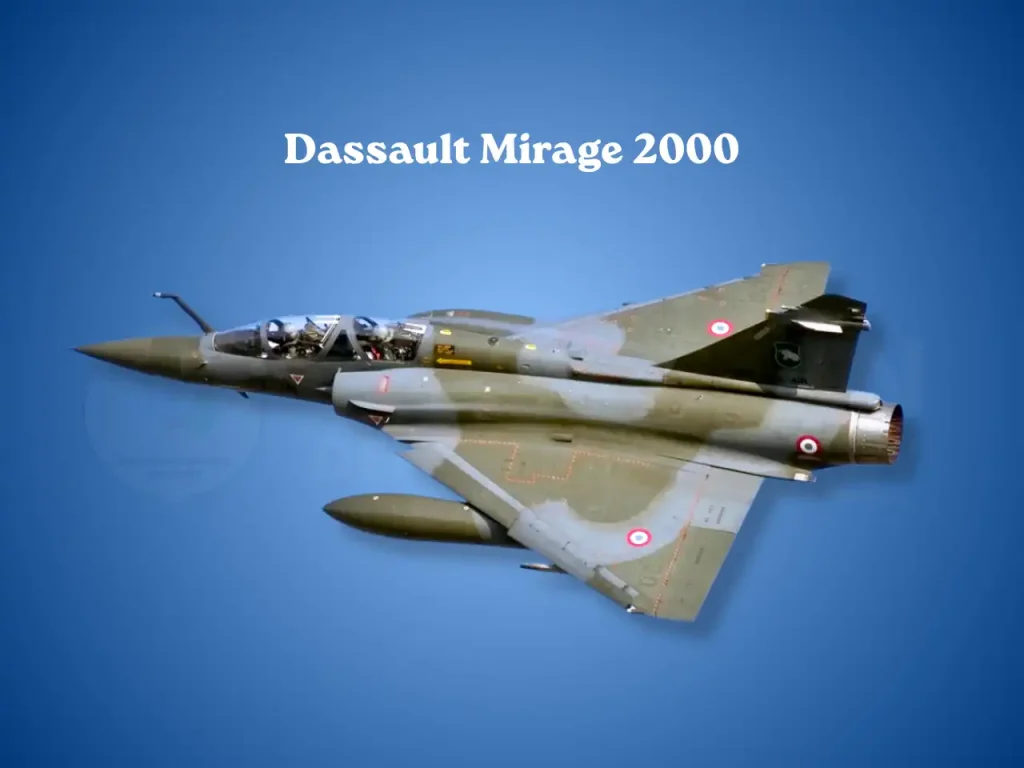
The Mirage 2000 is a French multirole fighter. India inducted it in the 1980s and later upgraded the fleet. The Mirage 2000 is best known for its role in the 2019 Balakot air strike. It remains a reliable and capable aircraft.
MiG-29UPG
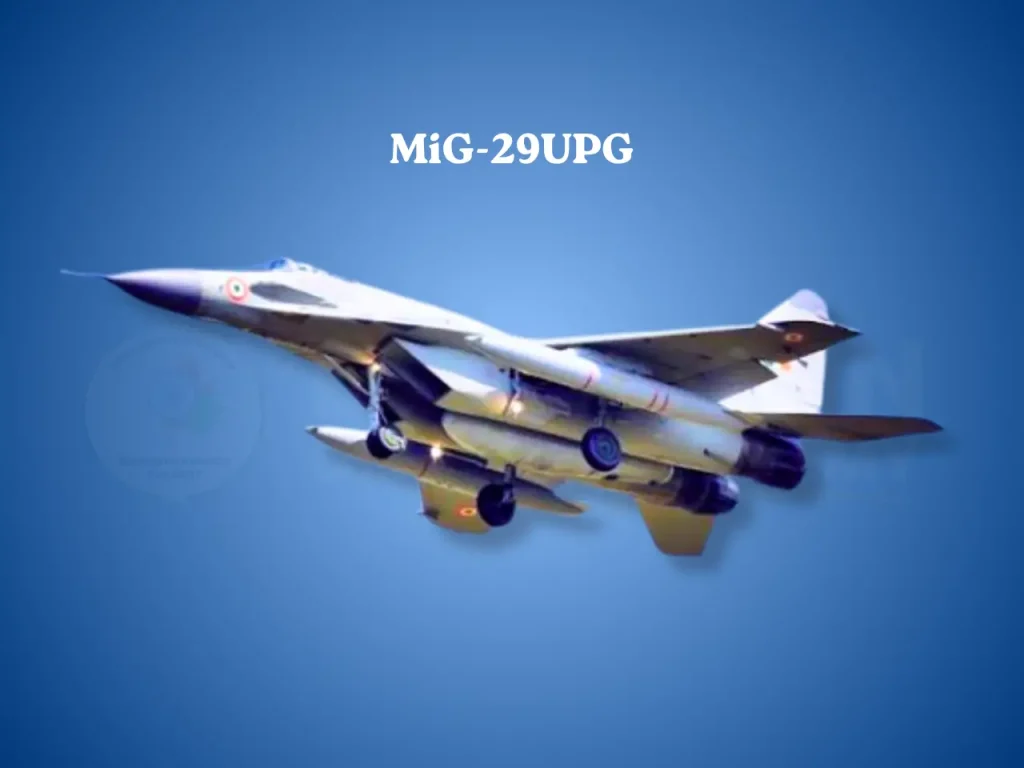
The MiG-29UPG is an upgraded version of the Soviet-era MiG-29. It is mainly an air-superiority and air-defence fighter. The upgrade added new radar, a glass cockpit, in-flight refuelling, and modern missiles. The fleet is based mainly at Adampur and Jamnagar.
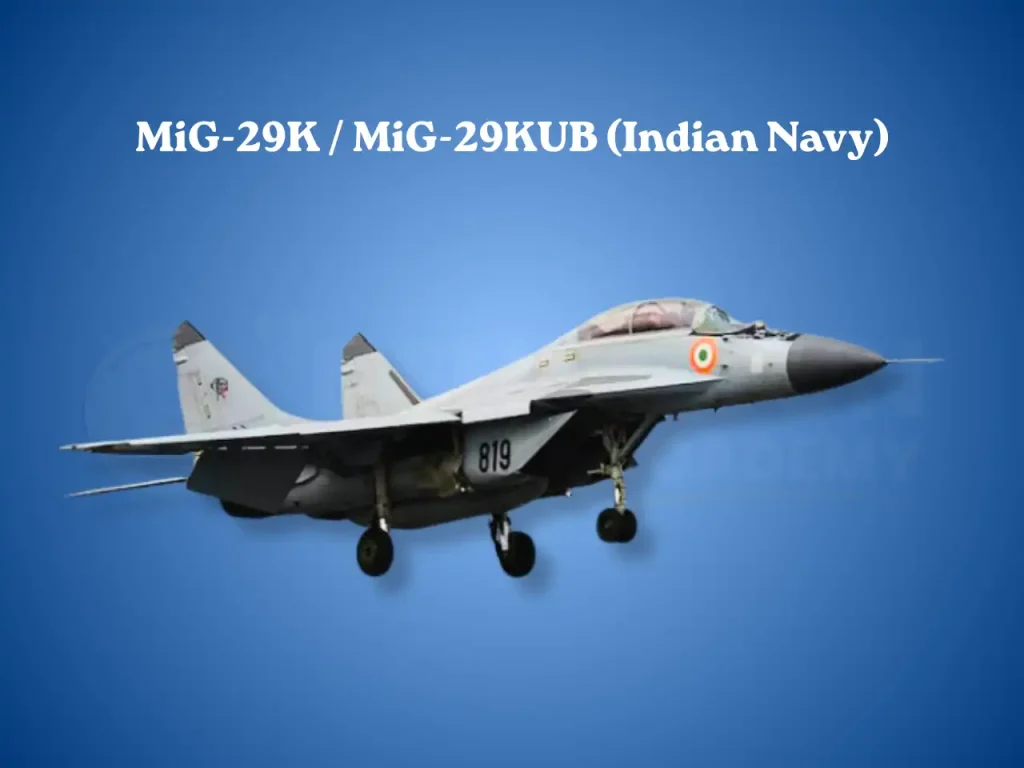
MiG-29K / MiG-29KUB (Indian Navy)
The MiG-29K and the twin-seat MiG-29KUB are naval fighters. They operate from India’s aircraft carriers, INS Vikramaditya and INS Vikrant. They have been in service since around 2010. The fleet has faced some serviceability problems and will be supported by the new Rafale Marine in the future.
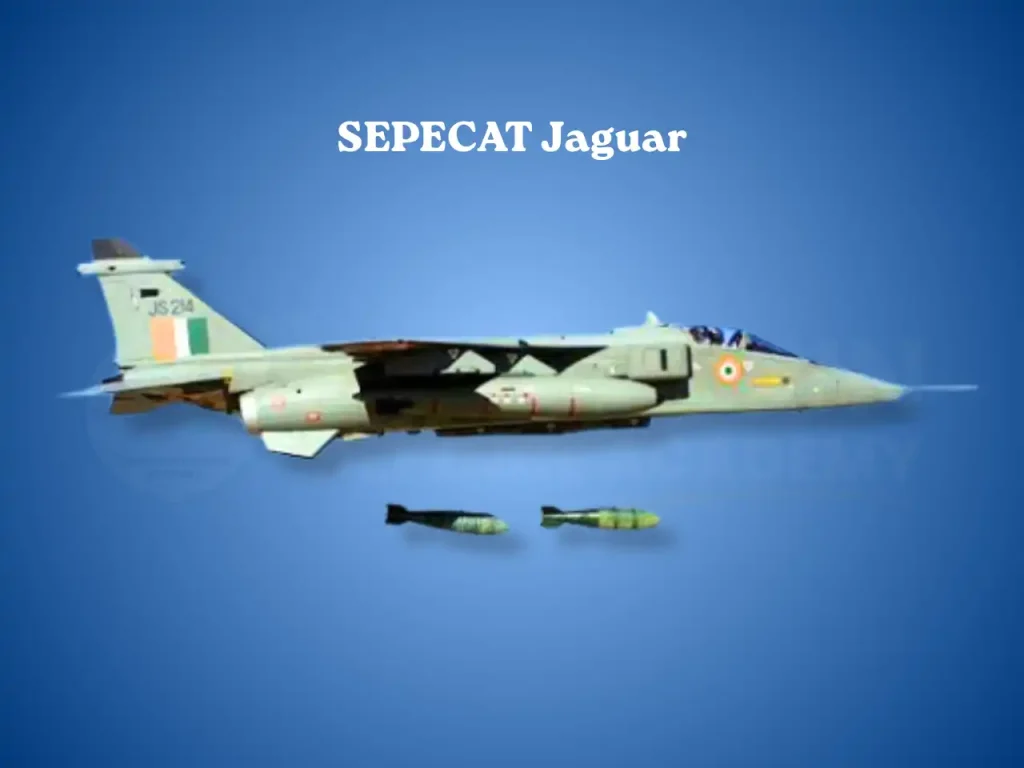
SEPECAT Jaguar
The Jaguar is an Anglo-French deep-strike aircraft. It is designed for low-level strike missions. It has been a part of the IAF since 1979. It is one of the oldest fighter aircraft still in frontline service anywhere in the world. The fleet is now in its retirement window.
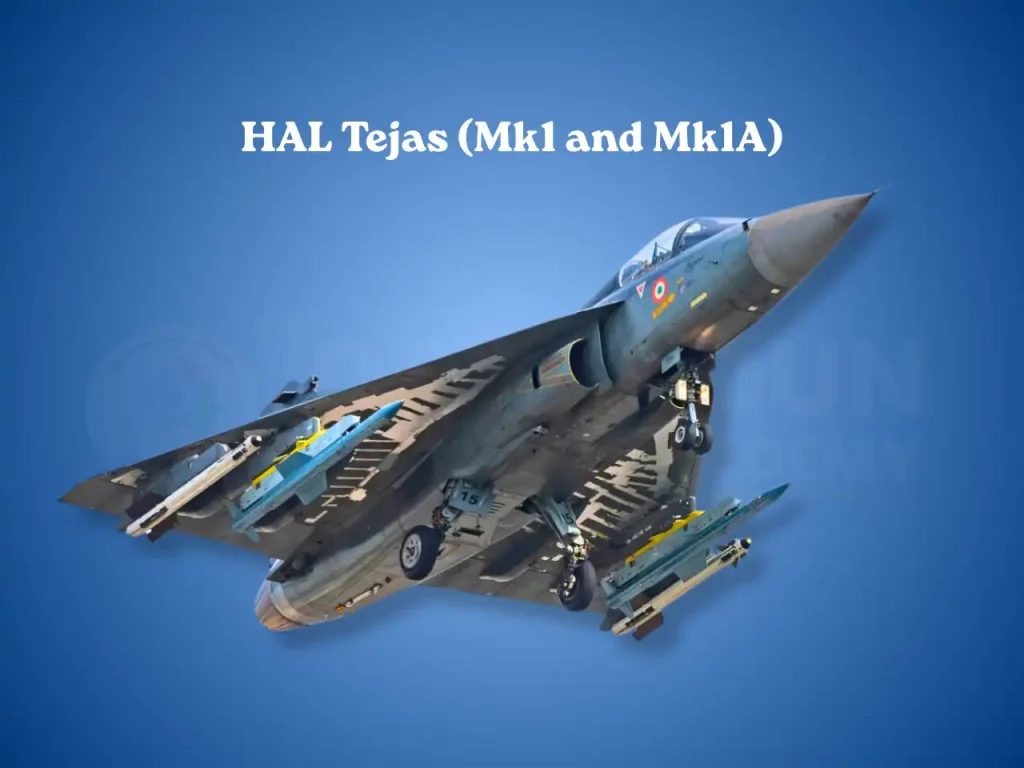
HAL Tejas (Mk1 and Mk1A)
The Tejas is India’s indigenous Light Combat Aircraft (LCA). It is a single-engine, lightweight multirole fighter. The Tejas Mk1 entered service in 2016. The improved Tejas Mk1A has a better radar, an electronic warfare suite, and more weapons. In September 2025, India signed a large order for 97 more Tejas Mk1A jets. This raised the total Tejas Mk1A and Mk1 order to about 180 aircraft. Deliveries of the Mk1A have faced delays.
Retired Indian Fighter Jets
India has operated many fighter aircraft since the IAF was formed in 1932. The list below covers the major fighters that have now retired.
| Aircraft | Origin | Type | Service Period |
| MiG-21 (including Bison) | USSR / India | Supersonic fighter | 1963–2025 |
| MiG-27 | USSR / India | Swing-wing strike aircraft | 1985–2019 |
| MiG-23 (MF / BN) | USSR | Swing-wing fighter | 1981–2007 |
| MiG-25 Foxbat | USSR | High-altitude recon / interceptor | 1981–2006 |
| Sukhoi Su-7 | USSR | Fighter-bomber | 1968–1986 |
| HAL Ajeet | India | Light fighter | 1977–1991 |
| HAL HF-24 Marut | India | First indigenous jet fighter | 1967–1990 |
| Folland Gnat | UK / India | Light fighter (“Sabre Slayer”) | 1958–1979 |
| Hawker Hunter | UK | Fighter / ground attack | 1957–1990s |
| English Electric Canberra | UK | Bomber / reconnaissance | 1957–2007 |
| Dassault Mystère IVA | France | Swept-wing fighter | 1957–1973 |
| Dassault Ouragan (Toofani) | France | India’s first jet fighter | 1953–1965 |
| de Havilland Vampire | UK | Early jet fighter | 1949–1970s |
| Supermarine Spitfire | UK | Piston fighter | 1940s–1957 |
| Hawker Tempest | UK | Piston fighter | 1940s–1950s |
| Hawker Sea Fury | UK | Piston fighter | 1940s–1950s |
The MiG-21: End of an Era
The MiG-21 holds a special place in Indian military history. It was India’s first supersonic jet fighter. It entered service in 1963. For many decades, it was the backbone of the IAF. India was the largest operator of the MiG-21 outside the Soviet Union. Over 870 aircraft were inducted, and most were built in India by HAL.
The MiG-21 took part in the 1965 war, the 1971 war, the 1999 Kargil conflict, and the 2019 Balakot operation. The most advanced version was the MiG-21 Bison. It had a modern radar and beyond-visual-range missiles.
On 26 September 2025, the Indian Air Force retired its last MiG-21 squadrons at a ceremony in Chandigarh. The final units were the No. 23 “Panthers” and No. 3 “Cobras” squadrons. This ended more than 60 years of service. The Tejas Mk1A is the planned replacement.
Fighter Jets in Development and on the Horizon
India is now focused on building its own fighter jets. Several important programmes are under way. The table below shows their current status.
| Aircraft | Status |
| HAL Tejas Mk2 | In development |
| AMCA | In development; approved for prototype development |
| TEDBF | In development / proposed naval fighter |
| Dassault Rafale-M | On order for the Indian Navy — 26 aircraft signed in April 2025 |
| MRFA | Acceptance of Necessity approved in February 2026; not yet a signed contract |
| DRDO Ghatak / RPSA | In development |
| CATS Warrior | Loyal-wingman UCAV under development |
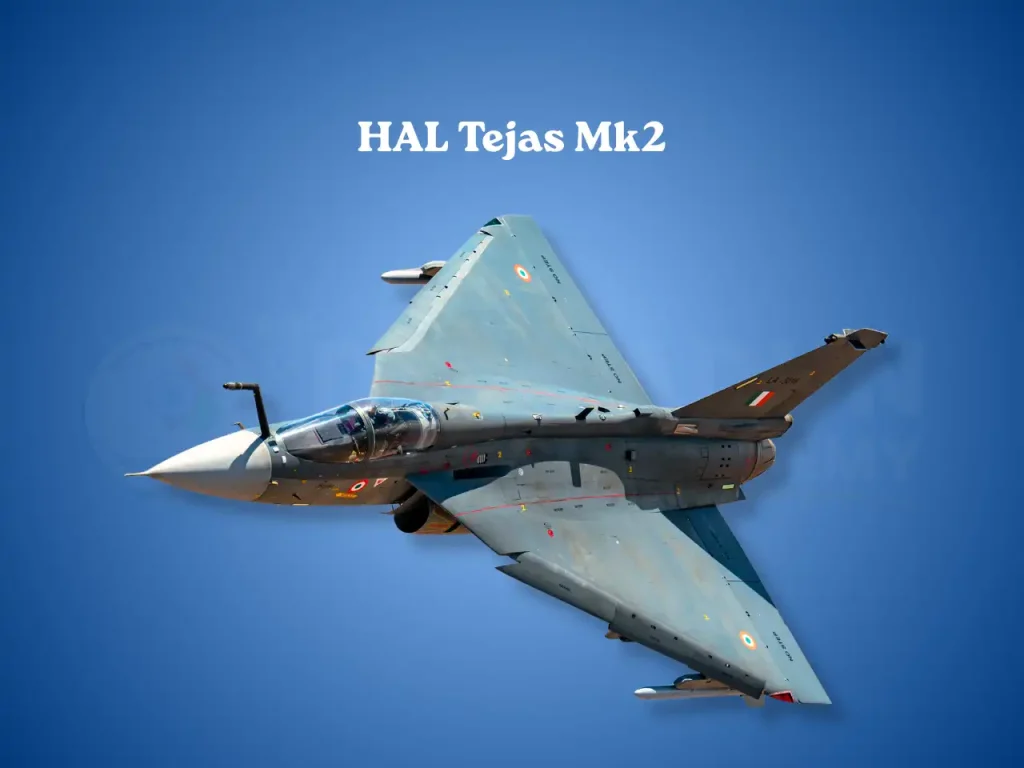
HAL Tejas Mk2
The Tejas Mk2 is a larger and more powerful version of the Tejas. It is a medium-weight fighter. It will use a more capable engine and carry a larger weapons load. It is meant to replace older types such as the Mirage 2000, MiG-29 and Jaguar.
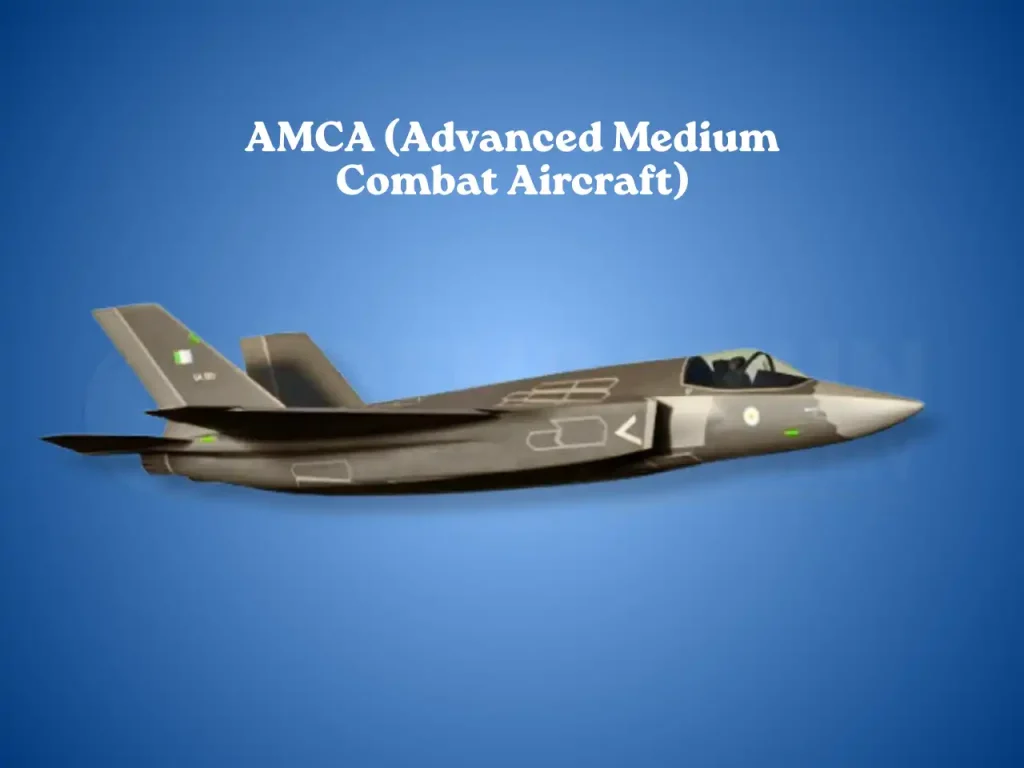
AMCA (Advanced Medium Combat Aircraft)
The AMCA is India’s planned fifth-generation stealth fighter. It is a twin-engine aircraft with internal weapon bays. It is being developed by the Aeronautical Development Agency (ADA) and the DRDO. The project has been approved for prototype development. It is expected to enter service in the next decade.
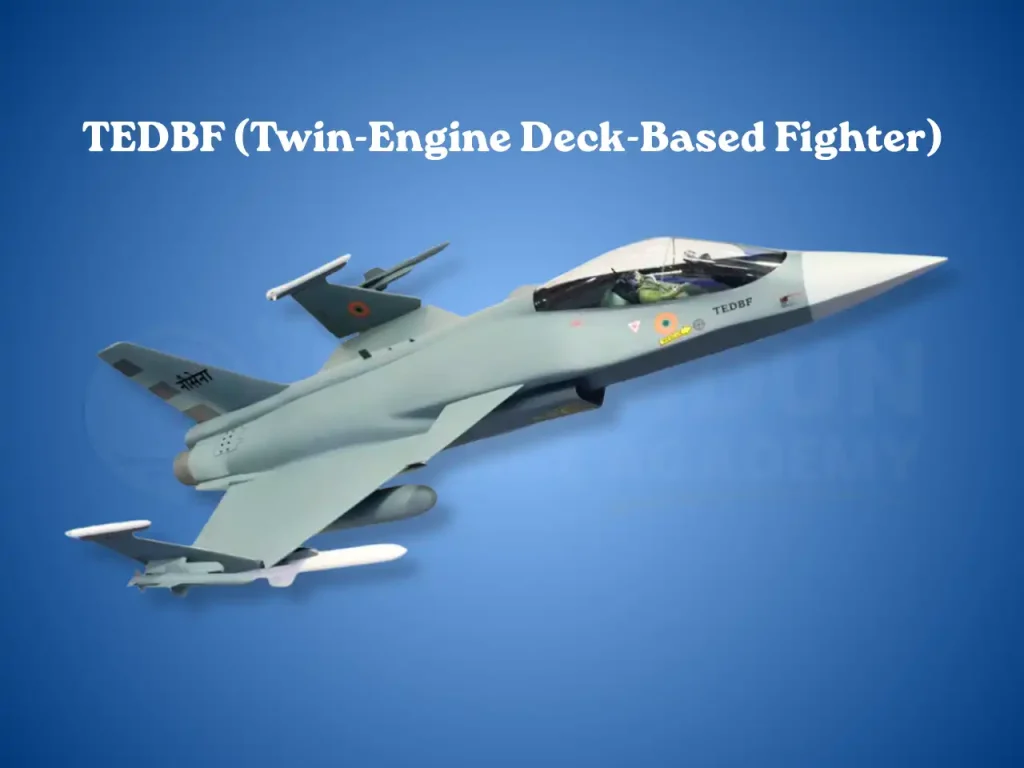
TEDBF (Twin-Engine Deck-Based Fighter)
The TEDBF is a planned naval fighter for the Indian Navy. It will operate from aircraft carriers. It is being developed to replace the MiG-29K in the future. The project is still in its early design stages.
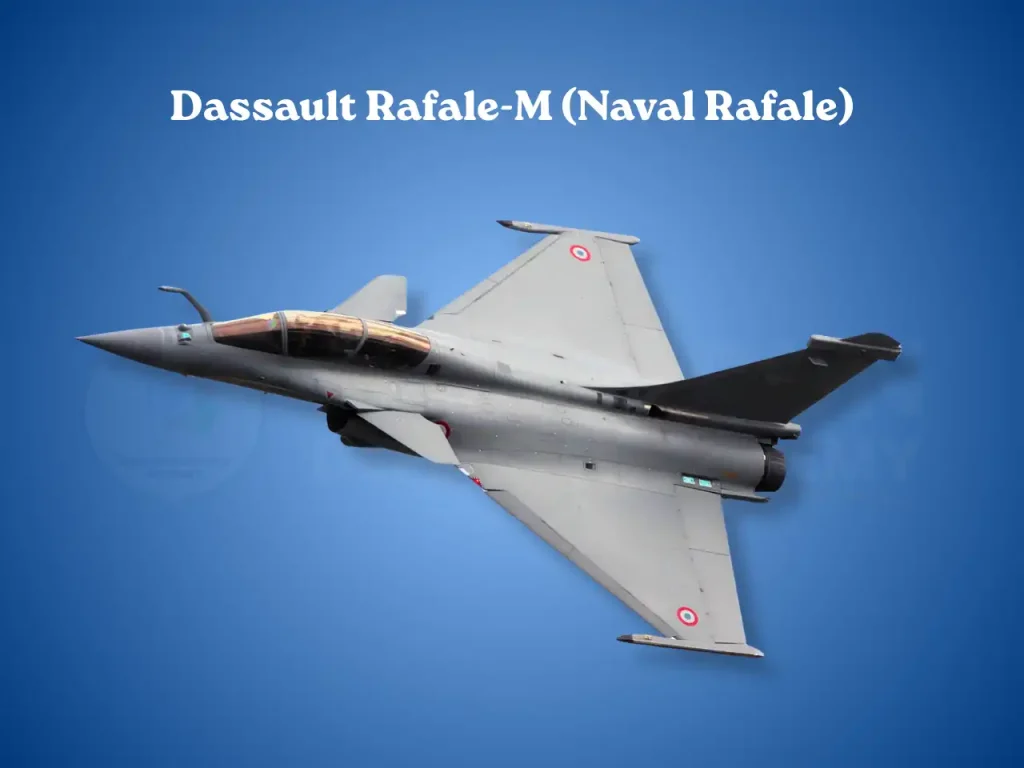
Dassault Rafale-M (Naval Rafale)
On 28 April 2025, India and France signed an inter-governmental agreement for 26 Rafale Marine fighters for the Indian Navy. The order includes 22 single-seat jets and four twin-seat trainers. The deal is worth about ₹63,000 crore. The first aircraft are expected from 2029, with deliveries continuing into the early 2030s. These jets will operate from INS Vikrant and INS Vikramaditya. India will become the first country after France to fly both the land and naval versions of the Rafale.
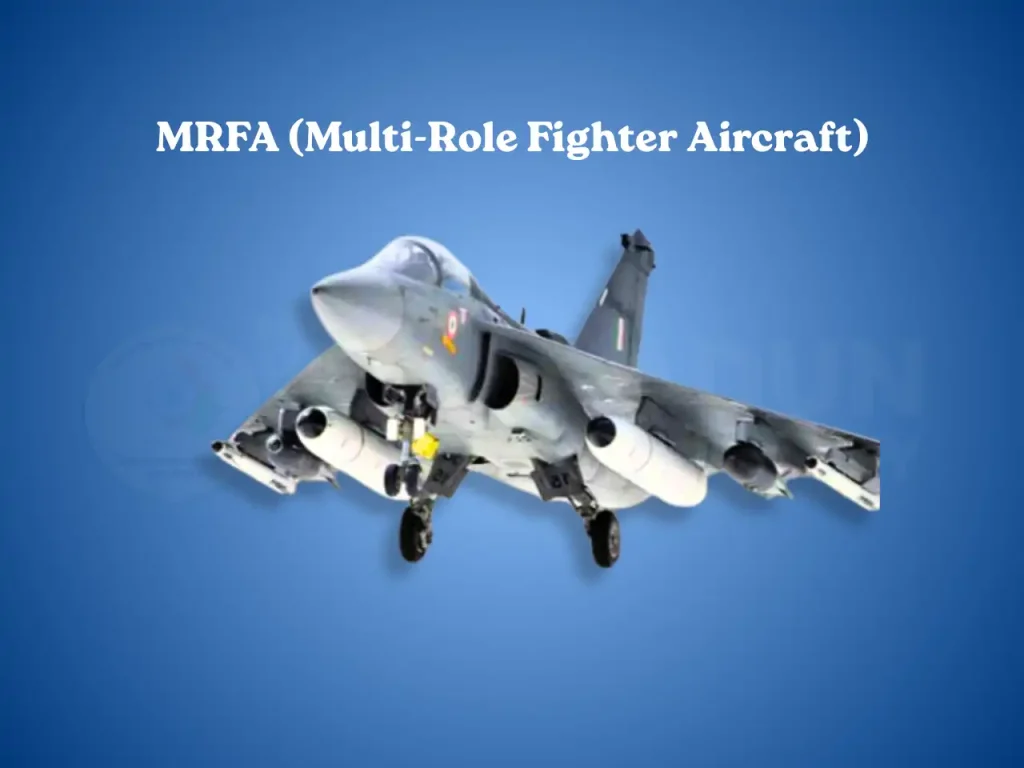
MRFA (Multi-Role Fighter Aircraft)
The MRFA programme is a plan to buy 114 modern fighter jets. Most of these are expected to be built in India. The Dassault Rafale is the leading candidate. The programme received Acceptance of Necessity in February 2026. However, it is not yet a signed contract.
Unmanned Combat Aircraft
India is also developing unmanned combat aircraft as part of its fighter roadmap. The DRDO Ghatak is a stealthy unmanned combat aerial vehicle. The CATS Warrior is a “loyal wingman” drone designed to fly alongside crewed fighters. These systems point to the future of air combat.
Current Squadron Strength
The sanctioned strength of the Indian Air Force is 42 fighter squadrons. As of 2026, the IAF operates around 29 to 31 squadrons. This shortfall is mainly due to the retirement of many older aircraft, such as the MiG-21, MiG-23 and MiG-27, without enough new aircraft to replace them. India plans to close this gap through the Tejas Mk1A, Tejas Mk2, the AMCA, and the MRFA programme.
India’s fighter fleet is in a period of major change. Old Soviet-era aircraft like the MiG-21 have retired. Modern jets like the Su-30MKI and the Rafale form the core of the fleet today. At the same time, India is building its own future fighters, from the Tejas Mk2 to the fifth-generation AMCA. The goal is clear. India wants a strong, modern and self-reliant air force that can protect its skies on two fronts.
(Disclaimer: Prepared by OGC – Dehradun Defence Academy. This publication is intended solely for educational and informational purposes for defence aspirants. While every effort is made to maintain the accuracy of the content, military programs, data, and technical specifications are subject to frequent change and official revision.)